
How to start mining cryptocurrency in Poland: a 2026 guide
Step by step: choosing a coin and an ASIC miner, electricity, location, mining pool, wallet and taxes. A guide for Poland, with no promises of quick profits.
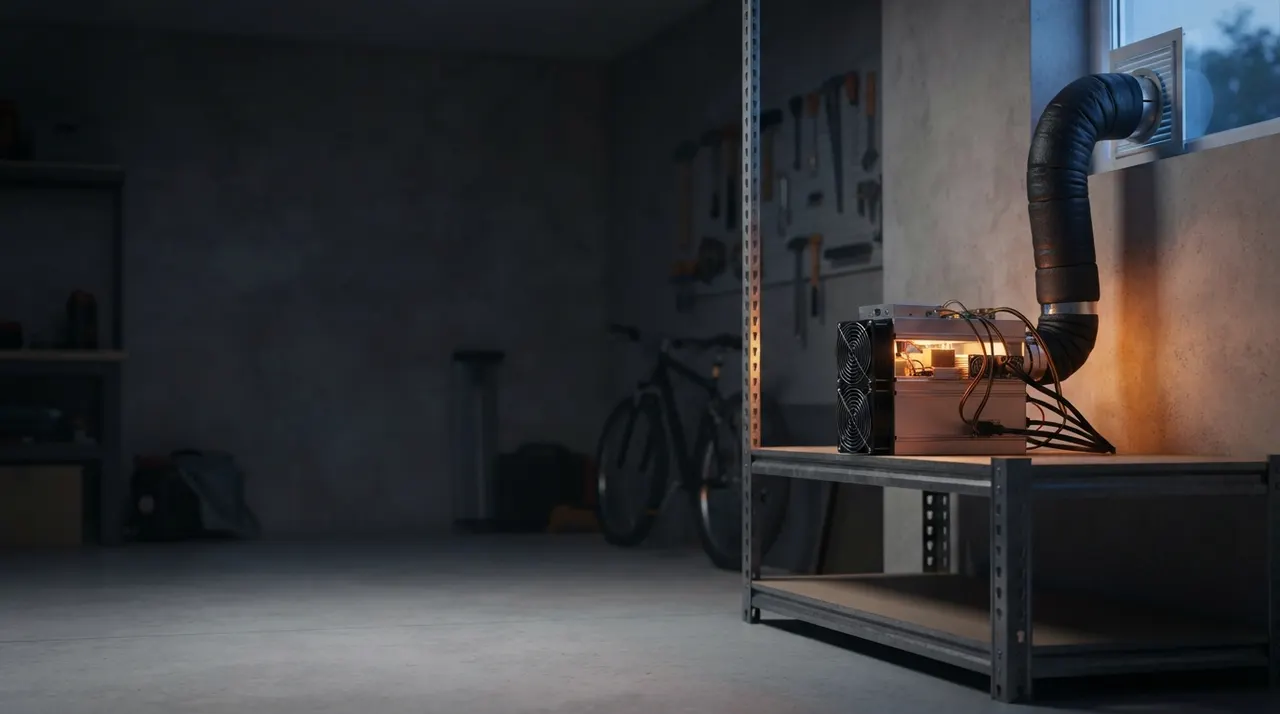
Cryptocurrency mining today is above all about the electricity bill. GPU mining rigs are practically a thing of the past, and what counts now are specialised ASIC devices. This guide walks you through the decisions worth making before you buy.
1. Work out your electricity price
Everything starts with one number: how much you pay for 1 kWh gross, including distribution. You will find it on your bill: add up the energy charge and the variable distribution charges, then add VAT.
- Household (G11 tariff): usually approx. 1–1.20 PLN/kWh.
- Business: often 0.70–0.95 PLN/kWh, depending on the contract.
- Solar PV: surplus sold under net-billing can be worth 0.2–0.5 PLN/kWh. Using it on site “costs” as much as you would get for it.
Enter your price in the calculator and you will see straight away which miners make sense.
2. Choose a coin, i.e. an algorithm
Each ASIC miner mines only one algorithm:
| Algorithm | Coins | Example miners |
|---|---|---|
| SHA-256 | Bitcoin (BTC) | Antminer S21/S23, Whatsminer M60/M70 |
| Scrypt | Litecoin + Dogecoin | Antminer L9/L11, Fluminer |
| Equihash | Zcash (ZEC) | Antminer Z15 Pro, Z15K |
| kHeavyHash | Kaspa (KAS) | IceRiver KS7, Antminer KS7 |
Bitcoin is the most stable and liquid, but it faces enormous competition. Smaller networks can at times deliver higher profits, but they are more volatile. You will find an up-to-date comparison in the miner ranking.
3. Choose a miner: efficiency over hashrate
The most important parameter is efficiency (W/TH for BTC). A miner with an efficiency of 10 W/TH will make money at an electricity price at which a 20 W/TH model is losing money. A cheaper, older machine often turns out to be more expensive to run.
What else to look at:
- Noise: classic air-cooled miners produce 75–76 dB. At home, “home mining” models (e.g. Avalon Nano, Avalon Q, Fluminer) or water-cooled ones are a better fit.
- Power supply: large miners draw 3–3.7 kW and require a dedicated circuit, often a 230 V 16 A socket or a three-phase connection (hydro models).
- Warranty and service in Poland: repairs abroad can take weeks.
4. Provide space and cooling
A 3.5 kW miner heats like a large electric heater. You need ventilation (cold air in, hot air out), protection against dust and moisture, and a place where the noise does not bother anyone. We write more about this in the article Noise and cooling: a miner at home.
Don’t have such a place? Consider hosting: the miner sits in a data centre and you pay for electricity at an industrial rate.
5. Connect the miner to a pool
For a single miner, finding a block on its own is practically impossible, so mining is done in a pool (e.g. ViaBTC, F2Pool, Antpool). The pool splits rewards in proportion to hashrate and charges a fee, usually 1–4%. Configuration comes down to entering the pool address, login and password in the miner’s panel.
6. Wallet and exchange
Payouts from the pool go to your address. An exchange account is enough to start with, but larger amounts are better kept in a hardware wallet (Ledger, Trezor). When you want to convert coins into zloty, you do it on an exchange.
7. Taxes
Selling mined coins for zloty is income that you report in the PIT-38 tax return. We describe the details and open questions in the article Tax on cryptocurrency mining.
Checklist before you buy
- I know my gross electricity price per kWh
- I have calculated the break-even point in the calculator
- I have space, power and ventilation (or I am choosing hosting)
- I know what I will do about the noise and heat
- I accept the risk: network difficulty is rising and the price may fall
Mining is not “risk-free passive income”. It is an investment in hardware whose return depends on the price, network difficulty and the cost of electricity. Calculate conservatively.
This article is for information only and is not investment or tax advice. Links to the store and partners may be affiliate links.
Miners in this article
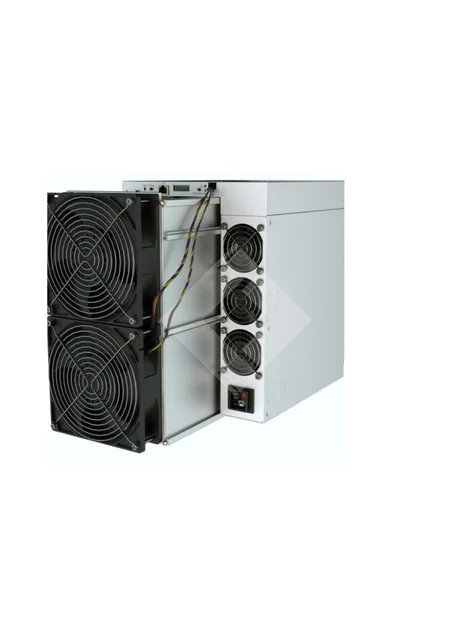
- Profit/day
- $3.69
- Payback
- 3.3 years
- Break-even
- $0.089
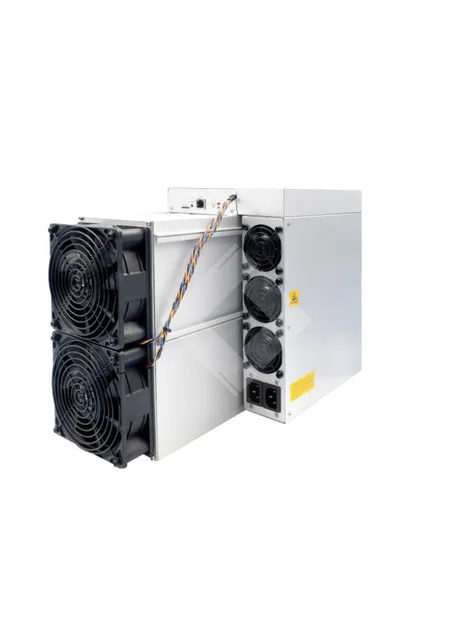
- Profit/day
- $28.91
- Payback
- 10.1 mo.
- Break-even
- $0.48
- Profit/day
- $0.02
- Payback
- over 15 years
- Break-even
- $0.051
Read more
Exchanges with a MiCA licence: where to legally sell mined crypto in 2026
Since 1 July 2026 only exchanges with a MiCA licence may operate in the EU. Which ones have it, what about Binance and Polish exchanges, how to check it.
Noise and cooling: how to set up an ASIC miner at home
75 dB and 3.5 kW of heat: where to put an ASIC miner, how to quieten and cool it. Air cooling, water cooling and home mining models compared side by side.
How much electricity does an ASIC miner use and how do you calculate the cost?
A simple formula for a miner's power consumption and electricity cost, examples for the Antminer S21 XP, L9 and Avalon Nano, and what really drives up the bill.