
iPollo V2 vs JASMINER X16-Q
Verdict: at $0.047/kWh electricity the iPollo V2 earns more, by about $55 per month. It is also more efficient, so it will cope better with rising network difficulty.
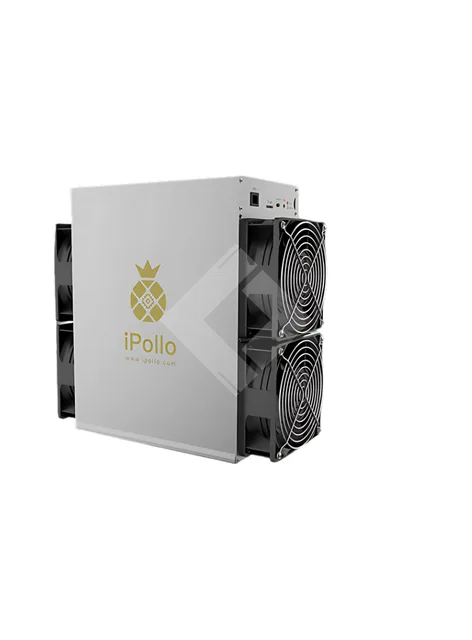
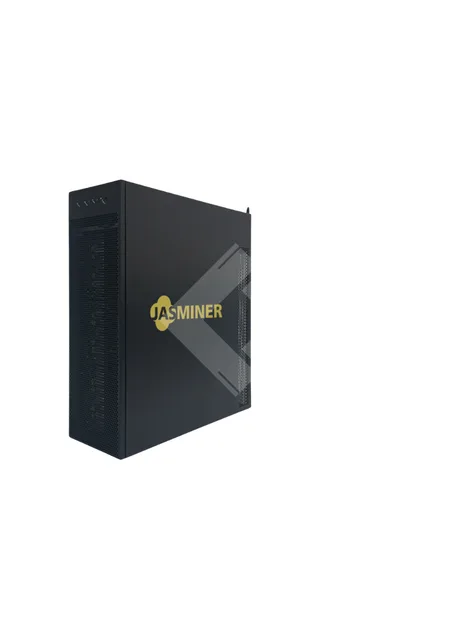
Specifications
| Parameter | iPollo V2 | JASMINER X16-Q |
|---|---|---|
| Hashrate | 10,000 MH/s (better) | 1,950 MH/s |
| Power consumption | 1500 W | 620 W (better) |
| Efficiency | 0.15 W/MH (better) | 0.32 W/MH |
| Noise | no data | 40 dB |
| Cooling | air | air |
| Store price | $9,832 | $1,497 (better) |
| Availability | in stock | in stock |
| Electricity break-even | $0.096/kWh (better) | $0.046/kWh |
Bold: the better value. Algorithm of both miners: Etchash (ETC, ETHW, OCTA).
Profit at different electricity prices
| Electricity | iPollo V2 | JASMINER X16-Q |
|---|---|---|
| Cheap electricity ($0.047/kWh) | $54 / mo. | -$1 / mo. |
| Solar surplus ($0.086/kWh) | $11 / mo. | -$18 / mo. |
| Business (Polish C11 tariff) ($0.209/kWh) | -$123 / mo. | -$74 / mo. |
| Household (Polish G11 tariff) ($0.27/kWh) | -$190 / mo. | -$102 / mo. |
Revenue after a 2% pool fee, at today’s difficulty and coin price (prices: CoinGecko). Difficulty usually rises, so this is not a guaranteed profit. How we calculate
Frequently asked questions
Which miner earns more: the iPollo V2 or the JASMINER X16-Q?
At $0.047/kWh electricity the iPollo V2 earns more: $1.79 per day versus -$0.02 for the JASMINER X16-Q, or about $55 more per month.
Which miner is more efficient?
The iPollo V2 uses less energy per unit of hashrate (0.15 W/MH). Higher efficiency means a lower electricity break-even and better resilience to rising network difficulty.
At what electricity price are the iPollo V2 and the JASMINER X16-Q profitable?
The iPollo V2 breaks even at about $0.096/kWh and the JASMINER X16-Q at about $0.046/kWh. Below that price they make money, above it they lose money.
No cheap electricity? With solar panels, Miners.pl can help with renewable energy optimisation, and you can put the miner’s heat to use with heat recovery.