
Two firms hold approx. 29% of Zcash network hashrate. What it means for the Z15 Pro
Fortitude and Cypherpunk mine approx. 10 of the 33 GSol/s Zcash network. We calculate Antminer Z15 Pro earnings at $0.05/kWh today and after expansion.
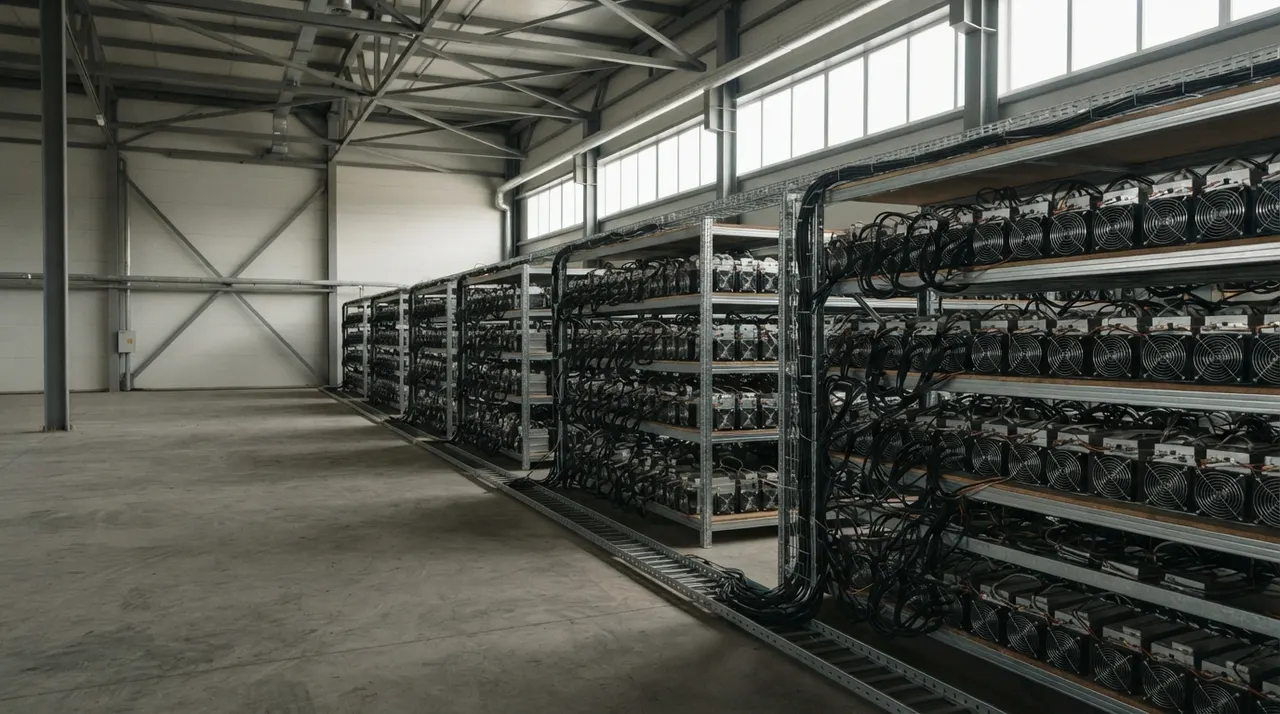
The Zcash network increasingly resembles Bitcoin: hashrate is dominated by large companies. According to figures provided by the two companies, Fortitude and Cypherpunk together have close to 10 GSol/s, i.e. approx. 29% of the entire network, which stood at approx. 33–34 GSol/s in mid-November. As of 19 November 2026.
For everyone mining Zcash this is important news, because the same players are announcing further expansion.
Who mines Zcash
| Company | Hashrate today | Plans |
|---|---|---|
| Fortitude | over 5.4 GSol/s | order for 9,000 Antminer Z15 Pro miners, delivered in successive batches |
| Cypherpunk | approx. 4.2 GSol/s | fleet expansion, target approx. 25% of network hashrate |
| Total | approx. 10 GSol/s | approx. 29% of the network |
The hashrate figures are reported by the companies themselves, and the share depends on how fast the network as a whole grows. Zcash network hashrate has accelerated strongly in recent months, and difficulty has been setting records.
How much the Z15 Pro earns today
We calculate at the electricity price paid by large mining sites worldwide: approx. $0.04–0.05/kWh. Network data from 19 November (approx. 34.2 GSol/s, ZEC at approx. $940), after a 2% pool fee:
| Model | Revenue/day | Profit at $0.04/kWh | Profit at $0.05/kWh | Break-even point |
|---|---|---|---|---|
| Antminer Z15 Pro (840 kSol/s, 2,780 W) | approx. $32.6 | approx. $29.9 | approx. $29.3 | approx. $0.49/kWh |
| Antminer Z15K (525 kSol/s, 2,483 W) | approx. $20.4 | approx. $18.0 | approx. $17.4 | approx. $0.34/kWh |
At the global electricity price, electricity eats up only approx. 10–15% of both miners’ revenue. The break-even point is many times higher than $0.05/kWh, which is why Zcash is attracting large companies today. A detailed comparison of both models is in the Z15 Pro vs Z15K comparison.
What if Fortitude’s entire fleet comes online
9,000 Z15 Pro miners add up to approx. 7.56 GSol/s. We calculated a simplified scenario: all of this hashrate joins today’s network, while the ZEC price and the rest of the network stay the same. Some of the machines may already be running, so this is rather an upper bound of the effect.
| Model | Revenue/day | Profit at $0.04/kWh | Profit at $0.05/kWh | Break-even point |
|---|---|---|---|---|
| Antminer Z15 Pro | approx. $26.7 (−18%) | approx. $24.0 | approx. $23.4 | approx. $0.40/kWh |
| Antminer Z15K | approx. $16.7 (−18%) | approx. $14.3 | approx. $13.7 | approx. $0.28/kWh |
Conclusion: even after the whole fleet comes online, both machines remain clearly in profit at the electricity price of large mining sites, but revenue falls by approx. 18%. Every further expansion by such firms works the same way: it reduces the earnings of everyone else. These are estimates based on today’s data: the ZEC price changes quickly and can shift the result in either direction.
What follows from this
- Growing network hashrate eats into revenue. Large fleets buy the same models, so the advantage from hardware alone shrinks quickly.
- Efficiency provides a buffer. The Z15 Pro uses less energy per unit of hashrate than the Z15K, so it stays in profit longer as difficulty rises.
- Pool choice matters. When a few firms hold a large share of hashrate, it is worth mining in a pool that does not belong to those same players.
Current figures for all models are in the miner profitability overview.
Sources (7)
- Fortitude: zakup 9 000 koparek Antminer Z15 Pro (komunikat spółki)primary source
- Dane sieci Zcash (zcashexplorer.app), własne obliczeniadata
- CoinGecko: kurs ZEC/PLNdata
- ForkLogmedia
- The Blockmedia
- Crypto Briefingmedia
- Decryptmedia
This article is for information only and is not investment or tax advice. Links to the store and partners may be affiliate links.
Miners in this article
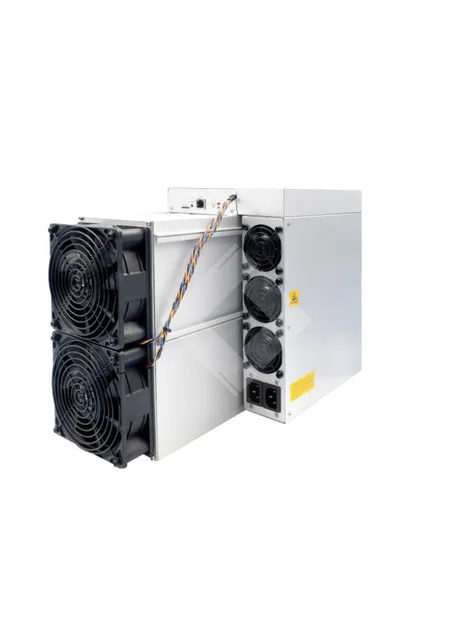
- Profit/day
- $28.91
- Payback
- 10.1 mo.
- Break-even
- $0.48
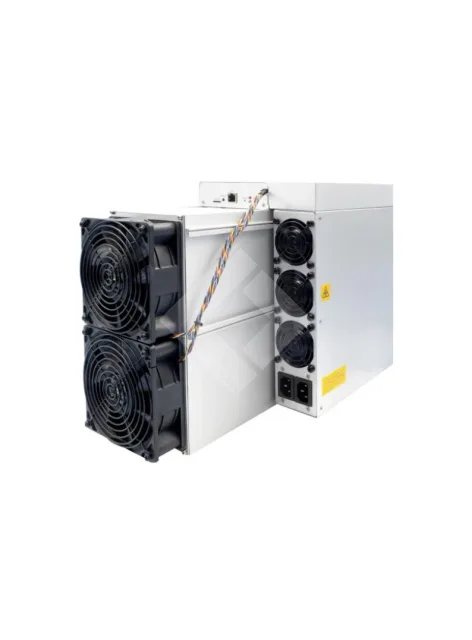
- Profit/day
- $17.23
- Payback
- 9.1 mo.
- Break-even
- $0.336
Read more

Chainflip attack: about $12M vanished from the exchange's vaults, including almost 123 BTC. The team gives the hacker until Monday
Someone withdrew about $12M in BTC, ETH and stablecoins from Chainflip's vaults, signing the transfers with the network's real key. We explain what happened, how this kind of exchange works and what follows.

Bitmain is left almost alone. Rivals stop selling miners, and customers pay to cancel orders
Canaan sold about 90% less hardware in Q3, Bitdeer almost stopped selling miners to outside buyers, and Core Scientific paid $41.9M to exit an order. What it means for the miner market.
VanEck moves its BTC, ETH and SOL ETFs away from Gemini. Who holds the funds' bitcoin
VanEck has terminated Gemini's custody agreements for its bitcoin, ether and solana ETFs. We explain what changes and who safeguards the funds' coins.