
Bitcoin difficulty fell by 9.13%. Miners earn approx. 10% more
The 14 November adjustment cut BTC difficulty from 148.4 to 134.8 trillion. We calculate what this changes for ASIC miners at Polish electricity prices.
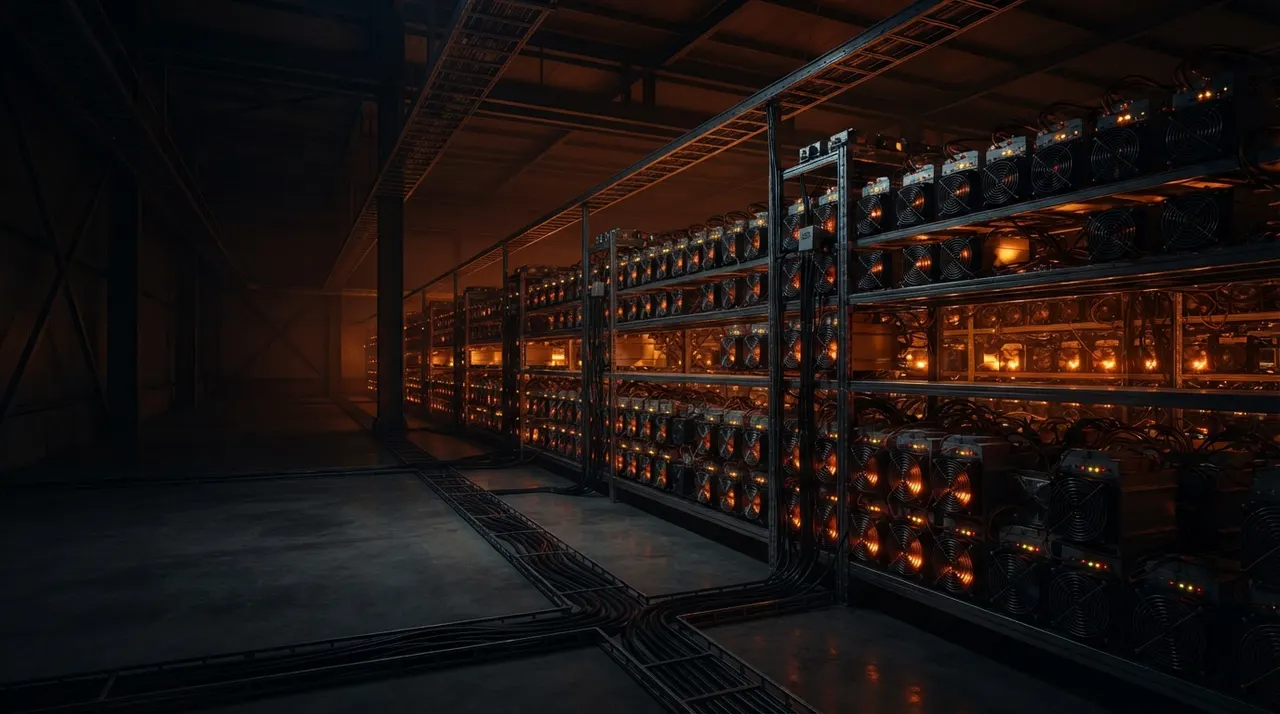
The Bitcoin network has gone through its largest difficulty reduction since June. At block 975,744 (the night of 13 to 14 November), difficulty fell by 9.13%: from 148.36 trillion to 134.82 trillion. For every running miner this means approx. 10% more BTC from the same hashrate. As of 18 November 2026.
What happened
Difficulty adjusts every 2,016 blocks, i.e. roughly every two weeks. If blocks arrived more slowly than every 10 minutes, difficulty falls. That was the case in the first half of November: some miners switched off and the network needed more time for each block.
According to an analysis by Hashrate Index, the cause was not the price of Bitcoin but expensive evening electricity in West Texas. Large mining sites in the region switch machines off when the market price of energy exceeds their break-even point. When electricity prices fell, the hashrate came back, even though the BTC price was falling at the time.
Network data confirms the reduction: WhatToMine currently shows a difficulty of 134.82 trillion and an estimated network hashrate of approx. 990 EH/s.
What it means in zloty
We calculate using data from 18 November: BTC costs approx. 260,000 PLN, pool fee 2%. The “before adjustment” column uses the same price at the old difficulty, to show the effect of the reduction alone.
| Metric | Before adjustment | After adjustment |
|---|---|---|
| Difficulty | 148.36 trillion | 134.82 trillion |
| Hashprice (revenue from 1 TH/s per day) | 0.111 PLN | 0.122 PLN |
| Change in revenue | +10% |
How this translates to popular SHA-256 miners:
| Model | Efficiency | Power break-even before | Power break-even after | Profit/day at 0.35 PLN/kWh (after) |
|---|---|---|---|---|
| Antminer S23 XP Hyd | 8.9 W/TH | 0.51 PLN/kWh | 0.56 PLN/kWh | +27 PLN |
| Antminer S23 Hyd | 9.5 W/TH | 0.48 PLN/kWh | 0.52 PLN/kWh | +22 PLN |
| Antminer S23e U2 Hyd | 10 W/TH | 0.45 PLN/kWh | 0.50 PLN/kWh | +31 PLN |
| Antminer S23 | 11 W/TH | 0.41 PLN/kWh | 0.45 PLN/kWh | +8.60 PLN |
| Antminer S21 XP | 13.5 W/TH | 0.34 PLN/kWh | 0.37 PLN/kWh | +1.60 PLN |
| Whatsminer M70S | 13.5 W/TH | 0.34 PLN/kWh | 0.37 PLN/kWh | +1.60 PLN |
| Antminer S21 | 17.5 W/TH | 0.26 PLN/kWh | 0.28 PLN/kWh | −5.50 PLN |
“Power break-even” is the energy price at which the miner breaks even. The most important change: on surplus solar power (approx. 0.35 PLN/kWh), the S21 XP and M70S have moved from a slight loss to a slight profit. On grid electricity at 0.85 PLN/kWh, still no BTC miner makes money.
These are estimates based on today’s data. The price and difficulty change daily, so the result a month from now may be different.
The price ate most of the gain
The difficulty reduction came in a bad week. According to CoinGecko, the BTC price fell by approx. 12% over 7 days. These two moves almost cancel each other out: revenue from 1 TH/s today is only a few percent lower than a week ago, not 12% lower. Without the difficulty adjustment, miners would have felt the full drop in price.
What next
The relief may be short-lived. Now that the Texas miners are back at work, blocks are again arriving faster than every 10 minutes (according to WhatToMine, on average every approx. 9 min 45 s). If this pace holds, difficulty will rise at the next adjustment and part of today’s improvement will disappear.
A lesson for Poland: switch the miner off when electricity gets expensive
This episode shows how large mining sites work: they do not run 24 hours a day at any cost, but switch off when electricity is expensive. The same can be done in Poland on a smaller scale:
- Dynamic tariff: large energy suppliers are obliged to offer contracts with a price based on the day-ahead market. The evening peak is usually the most expensive, while the night and sunny midday are cheaper.
- Solar PV: a miner running only on surplus from panels today has a real electricity cost of approx. 0.35 PLN/kWh. We wrote about this in the article ASIC miner and solar PV.
- Schedule: most ASIC miners can be switched on and off remotely or via a smart plug or contactor. With a G12 or dynamic tariff, it is worth calculating whether running only during cheaper hours gives a better result than running continuously.
You will find a full overview of all models in the miner ranking, and you can calculate your own electricity price in the Miners.pl calculator. We write more about this month in the profitability report for November 2026.
Sources (3)
- WhatToMine: dane sieci Bitcoindata
- CoinGecko: kurs BTC/PLNdata
- Hashrate Indexmedia
This article is for information only and is not investment or tax advice. Links to the store and partners may be affiliate links.
Miners in this article
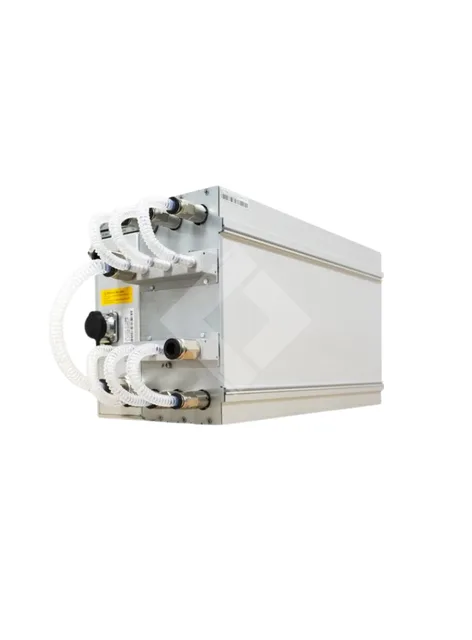
- Profit/day
- $10.22
- Payback
- 4.2 years
- Break-even
- $0.126
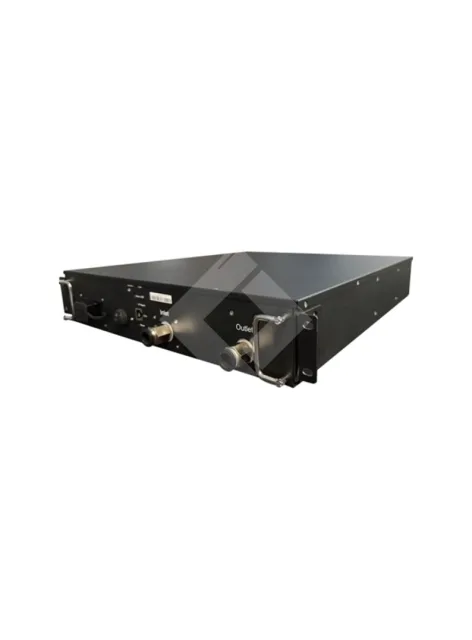
- Profit/day
- $15.22
- Payback
- 2.2 years
- Break-even
- $0.12
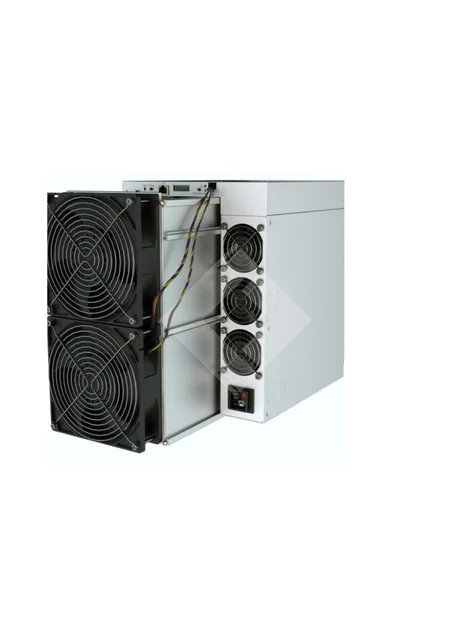
- Profit/day
- $3.69
- Payback
- 3.3 years
- Break-even
- $0.089
Read more

Chainflip attack: about $12M vanished from the exchange's vaults, including almost 123 BTC. The team gives the hacker until Monday
Someone withdrew about $12M in BTC, ETH and stablecoins from Chainflip's vaults, signing the transfers with the network's real key. We explain what happened, how this kind of exchange works and what follows.

Bitmain is left almost alone. Rivals stop selling miners, and customers pay to cancel orders
Canaan sold about 90% less hardware in Q3, Bitdeer almost stopped selling miners to outside buyers, and Core Scientific paid $41.9M to exit an order. What it means for the miner market.
VanEck moves its BTC, ETH and SOL ETFs away from Gemini. Who holds the funds' bitcoin
VanEck has terminated Gemini's custody agreements for its bitcoin, ether and solana ETFs. We explain what changes and who safeguards the funds' coins.