
Luxor Commander attack: about 13 EH/s hijacked. How to secure your miner
On 14 November an attacker redirected Luxor customers' hashrate to his own address on the OCEAN pool. What we know and how to protect your ASIC miner.
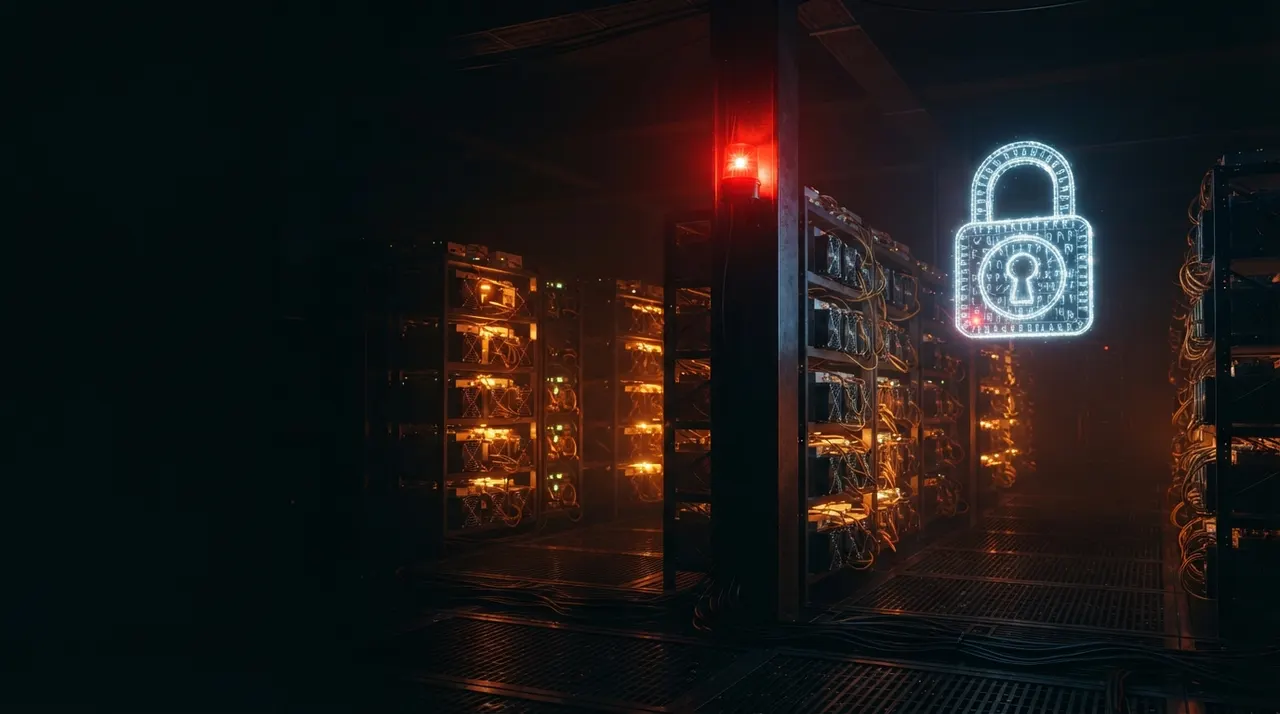
US-based Luxor Technology has confirmed a breach of Commander, its software for remotely managing mining fleets. The attacker changed the pool settings on customers’ miners and mined for his own account for about two hours. As of 18 November 2026.
What we know for sure
According to Luxor’s official statement of 15 November:
- the attack began on 14 November at around 6:00 p.m. Pacific Time (already 3:00 a.m. on 15 November in Poland),
- it affected a dozen or so customer accounts using Commander,
- engineers patched the tool within about 2 hours, and the miners returned to their original pool settings,
- Luxor Pool and the LuxOS firmware were not compromised, and no data was leaked,
- the company promised full compensation to every customer, as if their miners had been running normally, as well as a full incident report.
Luxor CEO Nick Hansen attributed the attack to “a sophisticated AI-enabled vector”, but the company has not disclosed exactly how the breach happened. On X he wrote: “You trust us with your fleet, and we need to be better”.
What we don’t know
The scale of the attack comes from estimates outside Luxor and has not been confirmed by the company:
| Metric | Estimate | Source |
|---|---|---|
| Redirected hashrate | approx. 13 EH/s | CoreX Hosting, GalaxyMind |
| Number of machines | approx. 64,000 | GalaxyMind |
| Share of the network | approx. 1.3% | our calculation: 13 EH/s out of approx. 1,005 EH/s |
| Impact on the OCEAN pool | rise towards 50 EH/s, then a drop to approx. 40 EH/s | pool dashboard data |
| BTC for the attacker | approx. 0.162 BTC (approx. 42,000 PLN) | media reports, unconfirmed |
How much the attacker actually earned is unclear. OCEAN pays rewards in proportion to the work performed, with a delay. The pool’s former co-founder Luke Dashjr claims the pool could have withheld payouts to the attacker’s address but did not. By the time these allegations were published, OCEAN had not publicly responded to them.
What that hashrate is worth
At today’s hashprice (approx. 0.122 PLN per 1 TH/s per day, BTC at approx. 259,000 PLN), 13 EH/s for 2 hours yields revenue of approx. 130,000 PLN. This shows why tools that manage thousands of miners are an attractive target: a single breach takes over the hashrate of entire farms.
For the owner of a single miner the numbers are smaller, but the principle is the same. An Antminer S21 XP (270 TH/s) currently earns approx. 32 PLN a day. Two hours of redirection means a loss of approx. 2.70 PLN. But if a swapped pool address goes unnoticed for a month, you lose approx. 970 PLN while still paying the full electricity bill. These are estimates based on today’s data.
How to secure your own miner
The attack targeted one company’s software, but swapping the pool address is a well-known way of robbing miners. It also affects miners at home and in small server rooms:
- Change the default password of the miner’s web panel (on many models it is “root/root” or “admin/admin”). This is the first thing to do after plugging it in.
- Do not expose the miner’s panel to the internet. No port forwarding on the router. For remote access use a VPN, e.g. WireGuard on the router.
- Separate your miners from the rest of the network with a dedicated VLAN or a separate guest network.
- Check the pool settings regularly in the miner’s panel and compare the hashrate shown by the pool with what the miner reports. A sudden drop at the pool while the machine is running is a red flag.
- Enable pool notifications for hashrate drops and offline workers, as well as two-factor authentication (2FA) on your account.
- Firmware only from official sources. Modified software from unknown websites is a common way of covertly skimming hashrate.
- Fleet management tools and hosting: ask your provider how it protects access, whether it offers 2FA and how it settles any losses. Luxor has announced compensation, but not every company will do the same.
To learn how much a miner really earns, read the profitability report for November. You can check your own numbers in the calculator.
Sources (5)
- WhatToMine: dane sieci Bitcoindata
- Decryptmedia
- Bitcoin.com Newsmedia
- CryptoSlatemedia
- BeInCryptomedia
This article is for information only and is not investment or tax advice. Links to the store and partners may be affiliate links.
Read more

Chainflip attack: about $12M vanished from the exchange's vaults, including almost 123 BTC. The team gives the hacker until Monday
Someone withdrew about $12M in BTC, ETH and stablecoins from Chainflip's vaults, signing the transfers with the network's real key. We explain what happened, how this kind of exchange works and what follows.

Bitmain is left almost alone. Rivals stop selling miners, and customers pay to cancel orders
Canaan sold about 90% less hardware in Q3, Bitdeer almost stopped selling miners to outside buyers, and Core Scientific paid $41.9M to exit an order. What it means for the miner market.
VanEck moves its BTC, ETH and SOL ETFs away from Gemini. Who holds the funds' bitcoin
VanEck has terminated Gemini's custody agreements for its bitcoin, ether and solana ETFs. We explain what changes and who safeguards the funds' coins.